Smart home security often starts with one simple device. A homeowner adds a doorbell camera, installs a smart lock, sets up a few sensors, or connects a camera to a mobile app. At first, that is a practical way to keep an eye on the home without committing to a full security system.
For many Johnstown homeowners, DIY security can be a helpful first step. It can make it easier to check the front door, receive basic motion alerts, or control certain devices while away from home. But as more devices are added, the system can become harder to manage. Cameras may run through one app, locks through another, and sensors through a separate hub. Some areas of the home may be covered, while others are still unprotected.
That is usually when homeowners start asking a larger question: Is this setup still enough?
A professionally installed smart home security system can bring those separate pieces together. Instead of relying on disconnected devices, homeowners can create a more complete system that includes security, cameras, automation, fire detection, mobile access, and professional monitoring.
DIY security products are popular because they are easy to purchase and often simple to set up. For a homeowner who wants a single camera or basic mobile alerts, that may be enough for a while.
The challenge is that DIY systems often grow without a plan. A homeowner may add devices over time as immediate needs arise. One camera goes by the front door. A second device is added near the driveway. A smart lock is installed on the main entrance. Later, a few sensors are added to windows or doors.
Each device may work on its own, but that does not always mean the home has a complete security system. There may still be gaps around side doors, basement entrances, detached garages, rear windows, or less visible areas of the property. Older homes in and around Johnstown may also have layouts that make sensor placement, wiring, Wi-Fi strength, and camera angles more complicated.
Another common issue is reliability. DIY devices can lose connection, run low on battery, or send frequent motion alerts that are not useful. When alerts happen too often, homeowners may begin to ignore them. When devices are managed through multiple apps, it can also be harder to know whether the whole system is working as it should.
A DIY setup does not need to fail before it becomes worth upgrading. In many cases, the signs are more practical.
Consider a professional system if you use several apps to manage security devices, are not sure all entry points are covered, or regularly receive alerts that do not require action. It may also be time to upgrade if your current system depends entirely on you seeing a notification and responding right away.
Self-monitoring can be limiting. If an alert comes through while you are asleep, driving, working, traveling, or away from your phone, the response may be delayed. That can be especially important for concerns about intrusion, fire, smoke, or carbon monoxide.
A professional system gives homeowners a more organized upgrade path. Instead of adding another standalone device, consider the home as a whole and decide what needs to be connected, monitored, adjusted, or replaced.
Professional integration means designing the system around the home rather than building it one device at a time. SSA’s smart home services include burglar protection, security cameras, smart home automation, and fire detection. Its site also notes that smart home automation can allow homeowners to control lighting, security, thermostats, and door locks through a mobile app.
For a Johnstown homeowner, that could mean combining door and window sensors, indoor or outdoor cameras, smart locks, lighting, thermostats, smoke detection, carbon monoxide detection, and professional monitoring into a single, more practical system.
The goal is not to add unnecessary technology. The goal is to make the system easier to use and more dependable. When devices are professionally installed and integrated, they can be placed with the home’s layout, entry points, daily routines, and possible blind spots in mind.
Monitoring is one of the biggest differences between a basic DIY setup and a professionally supported security system.
With a self-monitored system, the homeowner receives an alert and decides what to do next. That may work for checking a package delivery or seeing who is at the door. But for more serious events, self-monitoring can put pressure on homeowners to respond immediately.
SSA’s website references smart home automation services with 24/7 monitoring, and the company’s contact page states that technicians are available 24/7/365.
For homeowners, professional monitoring is especially important for alarms, fire, smoke, and carbon monoxide detection. These are situations where an alert should not depend only on whether someone notices a phone notification in time.
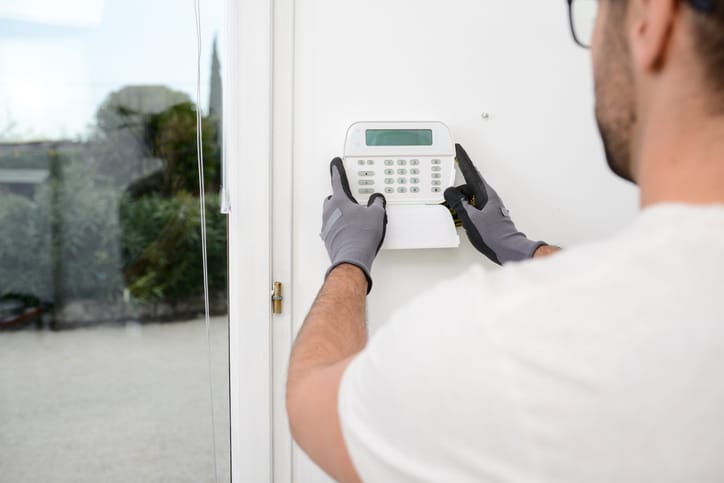
Security needs can vary from home to home. A ranch home, an older two-story house, a townhouse, a split-level, or a property with a detached garage may each need a different setup. That is one reason professional installation can be helpful. A technician can evaluate the property, identify coverage gaps, and recommend equipment placement that fits the home.
SSA lists Johnstown and Cambria County among its service areas, and its Johnstown page references security solutions for both residential and commercial clients, including intrusion detection, home automation, access control, video surveillance, and fire alarm systems.
For residential customers, that local service area matters. Homeowners are not only choosing equipment. They are choosing installation, monitoring, support, and a system that can be adjusted as their needs change.
If you already have DIY security devices, upgrading does not necessarily mean starting from scratch. A professional provider can help you look at what you already have, what is working, and where the gaps are.
Some homeowners may need better camera placement. Others may need monitored fire detection, additional sensors, smart home automation, or a more reliable way to manage everything from one app. The right upgrade path depends on the home, the household, and the level of support the homeowner wants.
A professional system can also make future updates easier. Rather than continuing to add disconnected devices, homeowners can build from a more organized foundation.
Smart home security should make daily life easier, not more complicated. If your current DIY setup requires multiple apps, frequent troubleshooting, or constant alert management, it may no longer be meeting your needs.
For Johnstown homeowners, a professionally integrated system can provide a more complete approach. With connected security features, smart home automation, fire detection, cameras, mobile access, and monitoring, homeowners can move from a collection of devices to a system designed around the property.
If your DIY system no longer feels complete, Security Systems of America can help you take the next step. SSA provides smart home security solutions for Johnstown and Cambria County homeowners, including burglar protection, security cameras, smart home automation, fire detection, and 24/7 monitoring.
Contact Security Systems of America to request a quote for smart home security in Johnstown.