Managing a multi-unit property involves more than maintenance, rent collection, and tenant communication. Property managers are also expected to handle complaints, investigate incidents, and maintain a safe, well-documented environment for residents. In apartment buildings and multi-family properties, even routine issues can escalate quickly when there is no clear record of what actually happened.
That is one reason many property managers are turning to video surveillance Johnstown PA solutions as part of a broader management and risk-reduction strategy. Professionally designed surveillance systems do more than help deter crime. They also provide objective documentation, support lease enforcement, reduce liability exposure, and help resolve disputes more efficiently.
For owners, investors, and facility managers in Johnstown, video surveillance can be a practical operational tool that improves transparency and helps protect both residents and property staff.
Tenant disputes are common in multi-unit residential properties. In many cases, the issue is not a major emergency but an ongoing operational problem that consumes time and creates frustration for everyone involved.
Common disputes in apartment buildings include:
The challenge is that many of these situations quickly become “he said, she said” disputes. One tenant may claim another caused damage, parked improperly, entered a restricted area, or violated building rules. Without reliable documentation, property managers are left trying to piece together events based on incomplete accounts and conflicting statements.
This is where video surveillance Johnstown PA property managers rely on can make a significant difference. Surveillance footage creates clarity in situations where verbal reports alone may not be enough. Instead of relying entirely on recollection, assumptions, or complaints, managers can review what actually occurred and respond accordingly.
When tenant disputes are not resolved quickly or fairly, the impact goes beyond inconvenience. These situations can create measurable operational and financial costs for property owners and managers.
One of the biggest costs is administrative time. Staff may spend hours responding to emails, taking phone calls, reviewing incident reports, speaking with tenants, and documenting follow-up steps. A single unresolved issue can consume far more time than most property teams can afford.
There is also potential legal exposure. If a dispute involves injury, property damage, alleged negligence, or repeated complaints that go unanswered, the issue may escalate into a legal or insurance matter. Even when a property owner is not at fault, a lack of documentation can make the situation harder to defend.
Unresolved disputes can also affect tenant retention. Residents who feel unsafe, ignored, or frustrated by repeated conflicts may choose not to renew their leases. In competitive rental markets, that turnover can become costly.
Finally, ongoing conflicts can affect the property’s reputation. Poor reviews, complaints, and word-of-mouth feedback can make leasing more difficult and undermine the sense of order that residents expect.
That is why surveillance should not be viewed only as a crime deterrent. It is also a management tool that supports accountability, consistency, and more efficient operations.
The most immediate benefit of surveillance in dispute resolution is documentation.
Professionally installed systems provide timestamped video evidence that can be reviewed when incidents occur. This footage helps property managers verify the sequence of events and determine whether a complaint is supported by facts. In shared areas where conflicts are most likely to happen, video can provide an objective record that reduces guesswork.
Important areas for documentation often include:
When footage is available, property managers can review incidents such as damage to doors, improper use of common areas, unauthorized entry, or altercations in common spaces. This supports more accurate decision-making and helps staff enforce lease terms consistently.
It also helps managers move faster. Instead of spending days interviewing tenants and trying to reconcile conflicting accounts, they may be able to confirm key details by reviewing footage from the relevant timeframe.
Proper camera placement is essential here. A surveillance system only supports documentation if it covers high-traffic and high-conflict areas effectively. Blind spots, poor angles, or low-quality images can limit usefulness. That is why system design matters just as much as the cameras themselves.
Beyond dispute resolution, surveillance can also play an important role in liability reduction.
Property owners and managers face potential exposure any time an incident occurs in a common area. Slip-and-fall claims, vandalism, unauthorized access, damage to shared property, and package theft allegations can all lead to questions about responsibility and response.
First, it can verify what happened. If a resident or visitor claims an injury occurred in a certain location at a certain time, recorded footage may confirm the event, clarify the conditions, or show whether the claim matches the facts.
Second, it can help document property damage. If a vehicle is struck in a lot, a lobby fixture is damaged, or someone vandalizes a shared area, managers may be able to identify the timing, parties involved, and surrounding circumstances.
Third, footage can support insurance investigations. When insurers request documentation of incidents, having recorded evidence can improve response time and help support a more accurate claims process.
This kind of visibility is particularly valuable when complaints or claims may be incomplete, exaggerated, or simply mistaken. Video does not replace sound policies or proper property maintenance, but it can provide an important layer of protection against false claims and uncertain narratives.
Not every area in a building requires surveillance, and placing cameras without a clear plan can leave important gaps. The most effective systems are designed around how the property is used and where incidents are most likely to occur.
For many apartment building security Johnstown properties need, strategic camera placement starts with the most important access and activity points.
These usually include:
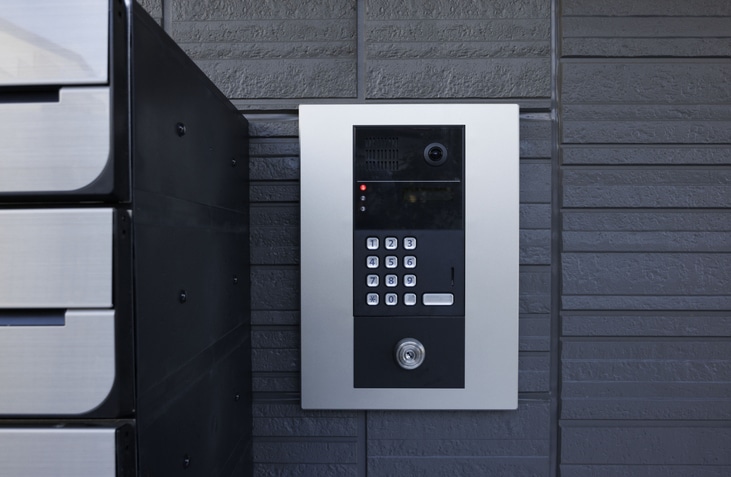
Each of these areas presents a different surveillance objective. Entry points help document who enters and leaves the building. Parking areas help with vehicle damage disputes and suspicious activity. Hallways and stairwells help track movement between floors. Package rooms help address delivery and theft concerns.
Professional design is important because the goal is not simply to install more cameras. It is to position them where they create useful visibility while preserving the function and appearance of the property. Camera angles, lighting conditions, image quality, and retention settings all influence whether the system will actually help when an incident happens.
Property managers often have understandable questions about privacy when considering surveillance. Tenants want a safe building, but they also want reassurance that security measures are being implemented appropriately.
A professionally designed system takes both concerns seriously.
In general, surveillance should focus on common areas and access points where there is a legitimate security or management purpose. Cameras should not be installed in spaces where tenants have a reasonable expectation of privacy.
That means professionally planned systems avoid areas such as:
Good system design also includes clear signage and communication. Letting residents know that common areas are monitored can improve transparency and reduce confusion. It can also reinforce that surveillance is being used to support building safety, policy enforcement, and incident documentation.
For property managers, another advantage of working with an experienced provider is compliance. Professionally installed systems are designed with privacy, placement, and operational considerations in mind, helping reduce the risk of poor camera placement or preventable issues.
Modern surveillance systems offer more than on-site recording. Many property managers now benefit from cloud-connected platforms that make surveillance easier to manage across one building or an entire portfolio.
With the right setup, authorized users can:
This is especially helpful for property managers who are not always on-site. When an incident is reported, they may be able to review footage quickly without waiting to access equipment locally. That can improve response time and reduce delays in communication with tenants, maintenance teams, or insurance representatives.
Professionally installed cloud-connected systems also tend to offer stronger reliability and better integration than DIY setups. For commercial and multi-unit environments, that matters. Property managers need a system that is scalable, secure, and designed for real operational use—not just basic residential convenience.
In some cases, surveillance is even more effective when paired with professional monitoring.
While not every property requires active monitoring for every camera or event, 24/7 monitoring services can be valuable when managers want faster awareness of active incidents, unauthorized entry attempts, or after-hours activity. For apartment buildings, mixed-use properties, and larger residential portfolios, that added layer of oversight can strengthen both security and response.
Integrated systems may help support:
At Security Systems of America, we provide commercial surveillance and integrated security solutions supported by a UL-listed monitoring center. For Johnstown property managers, this means access to professionally designed systems that can combine video surveillance, intrusion detection, access control, and monitoring into one coordinated strategy.
Rather than relying on disconnected tools, property teams can implement systems that support day-to-day management while also improving emergency readiness.
The best surveillance systems begin with a site assessment. Every property has a different layout, tenant flow, risk profile, and operational need. A smaller apartment building may need focused coverage at entrances and parking areas, while a larger multi-family complex may require broader visibility across shared amenities, mailrooms, and multiple access points.
A practical implementation process typically includes:
For occupied buildings, phased implementation can make the process smoother. Work can often be scheduled in stages to minimize disruption and keep the property fully operational during the upgrade.
Scalability is another important factor. Investors and management companies with growing portfolios often need systems that can expand over time. A professionally designed platform makes it easier to add doors, cameras, recording capacity, or monitoring services as needs change.
At SSA, we understand the operational realities property managers face. Our team works with building owners and managers throughout Western Pennsylvania to design practical security systems that support both tenant safety and efficient property operations.
Tenant disputes may never disappear completely, but they can become much easier to manage when there is clear, objective documentation. Video surveillance helps property managers move beyond conflicting accounts and make decisions based on recorded facts.
That creates real advantages for Johnstown properties. It supports faster investigations, reduces liability exposure, improves consistency in lease enforcement, and encourages a more transparent environment for residents and staff.
For property managers, surveillance is not just about watching a building. It is about creating accountability, improving operational efficiency, and protecting the property from avoidable disputes and uncertainty.
If your property team is evaluating ways to reduce tenant disputes, strengthen documentation, and improve visibility across shared spaces, Security Systems of America is ready to help. We design and install customized commercial surveillance, access control, intrusion detection, and 24/7 monitoring systems for apartment buildings, multi-family properties, and commercial facilities throughout Johnstown and Western Pennsylvania.
Contact Security Systems of America today to schedule a site assessment and learn how a professionally designed video surveillance system can help you reduce liability, resolve disputes more efficiently, and create a safer, more accountable property for tenants and staff.