
Retail theft affects more than just a store’s bottom line. For many businesses, it also creates stress for staff, disrupts daily operations, and raises difficult questions about how to respond without making the shopping experience feel tense or overly controlled. In Pittsburgh, retailers of all sizes are looking for ways to reduce loss while still maintaining the kind of welcoming environment customers expect.
That is where modern retail security systems, the ones Pittsburgh, PA businesses use today, can make a meaningful difference. Thoughtful surveillance is not about putting cameras everywhere or creating an atmosphere of suspicion. It is about improving visibility, supporting accountability, and giving store owners better tools to prevent loss, review incidents, and make informed decisions. When designed well, security can protect inventory and staff while still preserving customer trust.
Retail shrink is often associated with shoplifting, but it is usually more complicated than that. Loss can come from several sources, and an effective security approach must account for all of them.
External theft is one of the most visible concerns. This can include opportunistic shoplifting, repeat theft, and more coordinated incidents involving multiple people. These events may happen quickly and can be difficult for staff to address in real time, especially during busy periods.
Internal theft is another issue retailers cannot ignore. Employee-related losses can include cash-handling issues, unauthorized discounts, inventory misuse, or theft in employee-only areas. These situations are often harder to detect without clear visibility and documented procedures.
Administrative errors also contribute to shrink. Mistakes in inventory counts, receiving, returns, or point-of-sale transactions can create losses that are not caused by theft at all. Without accurate records or video documentation, it can be difficult to determine what actually happened.
This is why visibility and accountability matter so much. A well-designed surveillance system helps retailers better understand where losses may be occurring and provides a clearer picture of day-to-day activity throughout the store. For businesses focused on retail theft prevention Pittsburgh, that level of insight matters just as much as deterrence.
Retail surveillance has changed significantly over the years. Older systems often provided limited coverage, grainy footage, and little flexibility. In many cases, they served more as passive records than active tools for prevention.
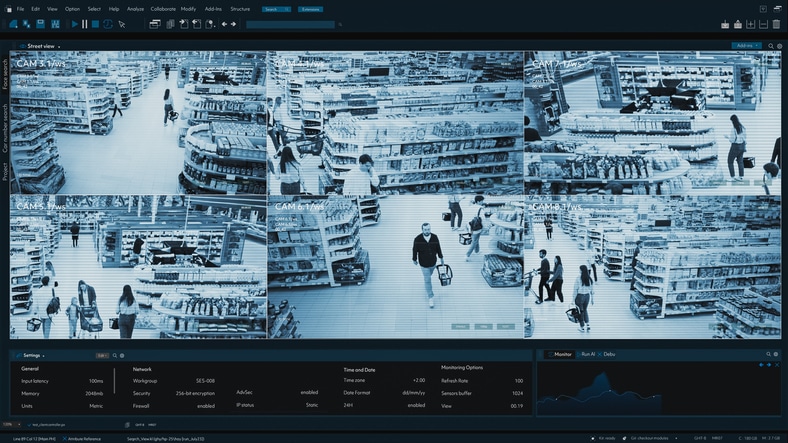
Modern store surveillance systems Pittsburgh retailers are adopting today are more useful because they support both real-time awareness and after-the-fact review. High-resolution cameras can provide clearer images of sales floors, entrances, checkout counters, and stock areas. Remote access allows owners or managers to check in while off-site. Cloud-connected storage can make footage easier to retrieve when incidents need to be reviewed.
Surveillance also works best when it is part of a broader security strategy. Video can be integrated with intrusion alarms, access control, and monitoring services to improve overall coverage. For example, if a door is opened after hours or an alarm event occurs, video footage can help verify what happened and support a faster response.
Just as important, surveillance supports documentation. It can help retailers investigate suspicious activity, review customer or employee disputes, and provide useful evidence when law enforcement involvement is necessary. In that way, surveillance is not only about catching theft. It is also about improving clarity and reducing uncertainty when something goes wrong.
The effectiveness of a surveillance system depends heavily on where cameras are placed. More cameras do not automatically mean better protection. In retail environments, coverage should be based on how the store actually functions.
Entry and exit points are usually a priority because they help document who is entering and leaving the space. These areas can be important for identifying patterns, reviewing incidents, and understanding traffic flow during key times of day.
Point-of-sale areas also deserve focused coverage. Checkout counters are common locations for transaction disputes, cash handling concerns, and refund issues. Clear video in these zones can support better documentation and help confirm what occurred during customer or employee interactions.
High-value merchandise areas are another key part of layout-aware design. Electronics, accessories, small premium items, and products that are easy to conceal often require more careful monitoring. Coverage in these sections should be clear enough to support review without being so aggressive as to make legitimate shoppers uncomfortable.
Blind spots and low-visibility zones can be especially problematic. Corners, narrow aisles, display-heavy sections, and areas blocked by shelving may unintentionally create opportunities for theft or concealment. A professional design process helps identify these weak points and address them more effectively.
Stockrooms and employee-only areas should also be considered, especially when inventory loss is a concern. These spaces often involve receiving, backstock, and limited-access handling, which makes visibility important. At the same time, coverage should remain appropriate to the space’s purpose.
The goal is not over-surveillance. It is to place cameras where they provide meaningful value. Proper design improves coverage, reduces blind spots, and avoids unnecessary camera placement in areas that do not support operations or security.
One of the biggest concerns retailers have is whether surveillance will make customers feel watched negatively. That concern is valid, especially in businesses where atmosphere and comfort are part of the brand experience.
Good security design takes customer trust seriously. That starts with avoiding intrusive placement. Cameras should not be positioned in ways that feel unnecessarily invasive or draw attention away from the shopping experience. They should support awareness and documentation without dominating the environment.
Clear signage also matters. Letting customers know video surveillance is in use promotes transparency and can support deterrence without creating confusion. In many cases, visible yet professionally installed systems help reinforce that a business takes safety seriously.
The overall environment should feel safe, not intimidating. Retailers want customers to feel comfortable browsing, asking questions, and spending time in the store. Security should help protect that environment, not undermine it.
This is one reason professionally designed commercial security cameras for retail are often more effective than a patchwork of visible, poorly placed devices. Thoughtful implementation can create a balance where customers feel protected, and staff feel supported, while the store remains welcoming and approachable.
Surveillance is most effective when retailers use it as an operational tool rather than a passive recording system. Clear video records can help store owners and managers do much more than respond to theft.
Incident review is one important example. When patterns begin to emerge, such as repeated issues in a certain aisle, problems during specific shifts, or recurring checkout discrepancies, surveillance footage can help identify what is actually happening. That allows business owners to make more informed decisions about staffing, layout changes, and procedures.
Video can also support employee training and accountability. Managers may use footage to reinforce cash handling standards, review customer interactions, or address process issues more objectively. When expectations are clear and supported by documentation, conversations are often more productive.
In some cases, retailers need evidence for law enforcement or insurance purposes. Having clear, accessible footage can make that process more straightforward. It can also reduce confusion when disputes involve customers, staff, deliveries, or after-hours activity.
All of this ties back to efficiency. Surveillance helps reduce guesswork. Instead of relying solely on assumptions or incomplete reports, retailers can review what happened and respond in a more measured, accurate way.
Many surveillance systems underperform not because surveillance is ineffective, but because they were not designed or maintained well.
One common problem is poor camera placement. A store may have multiple cameras but still miss critical areas because the angles are wrong or shelving blocks the view. Blind spots can limit the usefulness of footage and create a false sense of security.
Outdated or low-resolution equipment is another issue. If footage is too unclear to support identification or incident review, the system may not provide much value when it matters most.
Some retailers also install cameras but do not build clear processes around monitoring, review, or response. If no one checks footage, responds to patterns, or adjusts coverage as store conditions change, the system becomes less effective over time.
Another mistake is over-reliance on DIY solutions. Off-the-shelf systems may seem convenient at first, but they often fall short in real retail environments where layout, lighting, entry points, and operational needs vary from one business to another. Professional design helps ensure coverage aligns with actual risk areas rather than relying on assumptions.
SSA approaches retail security with the understanding that every store operates differently. A convenience store, boutique, electronics retailer, and specialty shop may all face shrink, but the risks, layouts, and daily workflows are not the same.
That is why SSA designs systems based on the store’s physical layout, visibility challenges, and operational goals. Instead of taking a one-size-fits-all approach, the focus is on building a system that supports both security and the customer experience.
This may include video surveillance, intrusion detection, and monitoring services working together as part of a more complete solution. For businesses with growth plans, SSA can also design systems that scale as locations expand or operational needs change.
For multi-location operators, consistency matters. Standardized coverage, remote access, and centralized visibility can make it easier to manage risk across multiple stores. For smaller businesses, the goal may be to improve coverage cost-effectively while addressing the most important vulnerabilities first.
Because SSA works with Pittsburgh-area businesses, the company understands the local retail environment and the practical concerns store owners face. That local perspective can be valuable when designing systems that need to work in real day-to-day conditions, not just on paper.
Not every business needs a complete overhaul right away, but there are several signs that it may be time to re-evaluate your current setup.
A rise in shrink or repeated theft incidents is one clear signal. If losses are increasing or you are struggling to understand where problems are happening, better visibility may be needed.
Store expansion or layout changes can also create new blind spots. A system that worked well a few years ago may no longer match the current flow of the space.
Outdated technology is another common reason to upgrade. Limited image quality, unreliable storage, or difficult footage retrieval can all reduce the usefulness of your system.
Finally, many retailers are looking for features that older systems do not offer, such as remote access, cloud-based video storage, and stronger integration with other security tools. Upgrading can make the system more practical to use on a daily basis, not just during emergencies.
Retail theft is a real concern for Pittsburgh businesses, but the solution is not to make stores feel guarded or unfriendly. The better approach is to use surveillance in a way that supports both protection and trust.
Well-designed retail security systems in Pittsburgh, PA, that businesses rely on can help reduce shrink, improve documentation, and strengthen day-to-day operations. When camera placement is thoughtful and implementation is privacy-conscious, surveillance becomes a practical business tool rather than a disruption to the customer experience.
For retailers, the goal should be proactive planning instead of reactive fixes. A security system that fits the store layout, supports staff, and respects the shopping environment is better positioned to protect both inventory and the business’s reputation. Contact Security Systems of America today to get started.