
Preparing for a vacation usually means coordinating schedules, packing bags, and making sure everything at home is taken care of before leaving. But once the doors are locked and the trip begins, many homeowners still wonder what would happen if something went wrong while they were away.
A break-in, unexpected alarm, or fire-related emergency can happen whether someone is home or not. The difference is that traveling homeowners may not be available to recognize a problem or take action.
For families considering home security monitoring in Pittsburgh, professionally monitored systems add an extra layer of support by connecting alarm activity to trained monitoring personnel.
Combined with intrusion detection, security cameras, and remote access, these systems can help homeowners stay informed about their property without constantly checking their phones.
Understanding how professional monitoring works can help Pittsburgh homeowners prepare their security systems before their next trip.
When a professionally monitored security system detects an alarm condition, it can transmit a signal to a monitoring center, where trained personnel follow established procedures to evaluate and respond.
The specific response depends on the alarm type, system configuration, monitoring agreement, and procedures established for that account.
For example, if an intrusion alarm is triggered while a homeowner is traveling, the monitoring process may involve:
These procedures allow you to address an alarm event even when the homeowner cannot immediately answer a phone call or open an app.
Professional monitoring does not guarantee a particular emergency response time or eliminate the possibility of property damage. However, it establishes a response process that does not depend entirely on the homeowner noticing the initial alarm.
Before traveling, homeowners should understand how their monitoring provider handles different alarm events and what information the monitoring center needs to respond appropriately.
Many modern residential security systems send notifications directly to a smartphone when they detect activity.
These alerts can help you check doors, review camera footage, or spot unexpected activity. However, receiving a notification is not the same as having a professionally monitored alarm system.
With a self-monitored system, the homeowner is generally responsible for reviewing notifications, determining whether an emergency exists, and deciding what to do next.
That arrangement can be less convenient while traveling. Someone may be on an airplane, driving through an area with limited cellular coverage, attending an event, or sleeping in a different time zone. A notification might arrive on time but go unnoticed for several hours.
Professionally monitored security adds another layer by connecting qualifying alarm events to a 24/7 monitoring center.
Homeowners can still receive mobile notifications and use their security apps. The key difference is that supported alarm signals follow an established monitoring process.
Not every camera notification or smart home alert is treated as a monitored emergency. Homeowners should confirm which events their monitoring service handles and which alerts require their own attention.
An effective residential security system begins with identifying the areas where unauthorized entry could occur.
For Pittsburgh homeowners, that might include a front entrance, rear patio door, basement access, attached garage, or ground-level windows. The appropriate equipment depends on the property’s layout and the level of coverage the homeowner needs. Common intrusion detection devices include door contacts, window sensors, and motion detectors.
Door and window contacts can identify when a protected entry point opens while the system is armed. Motion detectors can provide additional coverage inside selected areas of the home. These devices work together to help recognize activity that may indicate an unauthorized entry.
Before leaving for vacation, homeowners should understand their system’s available arming modes. A setting used while everyone is sleeping at home may not provide the same coverage as a mode intended for an unoccupied property.
Households with pets, scheduled maintenance visits, or someone checking on the property should also review how their system is configured.
The goal is to maintain appropriate intrusion coverage without creating unnecessary alarms during normal, authorized activity.
For homeowners reviewing their existing equipment, professionally installed residential burglar protection can help address entry points and coverage needs that may have changed since the system was first installed.
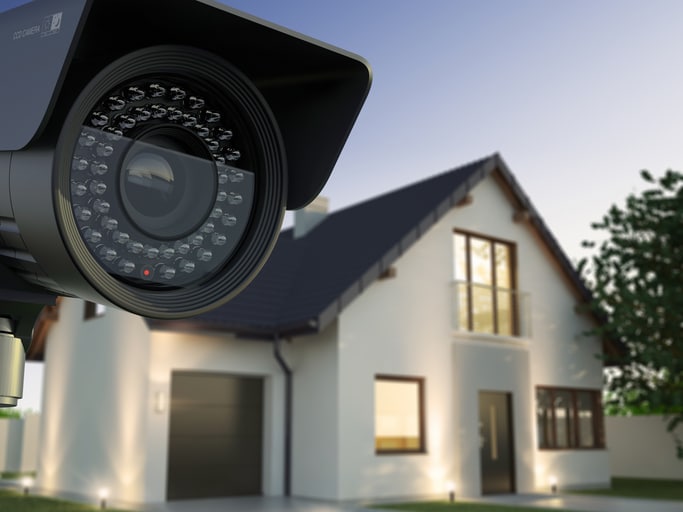
Security cameras allow homeowners to check selected areas of their property while traveling.
Depending on the equipment and settings, cameras may provide live video, recorded clips, or notifications when activity occurs. Outdoor cameras can help you monitor driveways, entryways, garages, and other areas that may need attention.
For example, a homeowner spending a week away from Pittsburgh might use a camera to confirm that a scheduled delivery arrived or to check whether a family member stopped by to collect the mail.
Video surveillance may also help homeowners better understand the circumstances surrounding an unexpected security notification.
However, cameras and alarm monitoring serve different purposes.
A camera recording movement does not necessarily mean that a professional monitoring center will review the footage or dispatch emergency services. Those capabilities depend on the security system’s services and features.
Homeowners should understand how their cameras store footage, what triggers notifications, and whether video events are connected to any additional monitoring services.
When used alongside intrusion detection, cameras can provide valuable context and remote visibility while the homeowner is away.
Vacation security planning should include more than protection against unauthorized entry. Smoke, fire, and carbon monoxide hazards can also develop while a property is unoccupied.
When someone is home, a functioning smoke alarm can provide an important warning, allowing occupants to evacuate and seek help. During an extended absence, however, nobody may be present to hear a local alarm. This is where professionally monitored fire detection can provide additional support.
When compatible fire detection equipment is connected to an active monitoring service, the provider can transmit an alarm signal and handle it under its established procedures, including emergency notification when appropriate.
For Pittsburgh homeowners leaving their property for several days or longer, this adds a response process that does not rely on someone hearing an alarm inside the house.
Confirm which smoke, heat, and carbon monoxide devices are actually connected to professional monitoring. Standalone alarms may sound locally without transmitting a signal to a monitoring center.
Monitored fire detection does not replace working smoke alarms, regular testing, or appropriate home maintenance. It provides an additional way to communicate certain emergencies when the property is empty.
Before traveling, homeowners should review their fire detection coverage and ensure required alarms are working properly.
Even a well-designed security system works best when homeowners prepare the property before leaving. Several common travel habits can create avoidable security concerns.
Sharing vacation dates or posting that a home will be empty can reveal when no one is likely to be home. Consider limiting public travel announcements and sharing photos after returning. Review social media privacy settings if family members plan to post during the trip.
A security system cannot provide its intended intrusion coverage if it is left disarmed. Before departure, verify the system’s status and make sure the correct arming mode is selected.
Packages and accumulated mail can make an extended absence more noticeable. Consider arranging delivery holds, requesting a mail hold, or asking a trusted neighbor to collect items while the family is away.
Outdated contact information can complicate communication during an alarm event. Check that the monitoring provider has accurate telephone numbers and that designated contacts know what to do if they receive a call.
Address low batteries, communication problems, and equipment faults before leaving. A trouble notification doesn’t always mean the entire system has stopped working, but homeowners shouldn’t assume every device is functioning normally without checking. Resolving outstanding issues before departure can help avoid uncertainty during the trip.
Smart home technology can make it easier to manage certain household functions remotely.
When compatible equipment connects to an integrated system, homeowners can control security settings, lighting, door locks, and thermostats from a mobile device. For example, scheduled lighting can help maintain a more typical household routine while a family is away.
Smart locks may let a homeowner give someone temporary access to check on the property without leaving a physical key outside.
Remote thermostat controls can also help manage indoor temperatures during an extended absence. This can be especially useful during Pittsburgh’s colder months, when maintaining adequate heat is important.
Homeowners should choose temperature settings that match their property and weather conditions rather than turning the heat off completely.
Remote arming and system-status checks can provide another practical advantage. If a homeowner isn’t sure whether they armed the security system before leaving, compatible smart home features may let them verify its status.
These conveniences can complement professional monitoring, but they don’t replace intrusion detection or monitored life-safety equipment.
The available features depend on the installed devices, system compatibility, and service plan.
A few basic checks before you leave can help homeowners spot security issues while they still have time to fix them.
Use this checklist when preparing to leave your Pittsburgh home for several days or longer.
If a device is not working correctly or the monitoring connection needs attention, contact the security provider before the trip.
Homeowners planning longer seasonal absences should also consider arranging periodic property checks and addressing plumbing, heating, and general maintenance needs.
Professional security monitoring supports a broader home protection plan, but it does not replace routine property care.
One of the most useful aspects of professional monitoring is continuity.
Homeowners cannot reasonably be expected to watch security cameras, check phone notifications, or remain available for security concerns throughout an entire vacation.
Travel schedules change, cellular service varies, and unexpected situations can make it difficult to respond immediately.
A professionally monitored security system provides a clear process for receiving and handling qualifying alarm signals, even when the homeowner is unavailable.
For Pittsburgh families who travel regularly, this can be especially valuable during extended vacations, holiday trips, and seasonal absences.
Security Systems of America (SSA) provides residential security solutions for Pittsburgh-area homeowners, including burglar protection, security cameras, fire detection, smart home automation, and 24/7 professional alarm monitoring.
Working with a local security provider also lets homeowners review equipment, discuss their property’s layout, and identify features that support their routines and travel habits.
The right solution depends on the home, the devices installed, and the level of monitoring selected.
Professional monitoring cannot prevent every incident or guarantee a particular outcome. Its value comes from having a defined alarm response process that continues when homeowners are occupied, unreachable, or away from the property.
A vacation shouldn’t require homeowners to constantly check whether everything is fine back home.
With appropriate intrusion detection, remote video access, monitored life-safety equipment, and professional alarm monitoring, homeowners can stay better informed and establish procedures for responding to security concerns while traveling.
Planning a trip? Make sure your home security system is ready before you leave.
Security Systems of America provides professionally monitored residential security, video surveillance, fire detection, and smart home solutions for Pittsburgh-area homeowners.
Whether you need to review an existing system or add coverage, SSA can help you assess your home’s security needs before your next departure.
Contact Security Systems of America today to review or upgrade your residential security system before your next trip.