
Protecting a commercial building involves more than securing the doors at the end of the workday. For Pittsburgh businesses, valuable assets may include manufacturing equipment, inventory, specialized tools, technology, sensitive records, and areas essential to daily operations.
A traditional intrusion alarm provides an important layer of protection by detecting certain types of unauthorized entry. However, it may not offer the visibility, access management, or coordinated response needed to protect every part of a commercial property.
That’s why many businesses benefit from a layered security approach.
Commercial security systems in Pittsburgh, PA, can combine intrusion detection, video surveillance, access control, and professional monitoring to address different risks throughout a facility. Each component serves a purpose, and together they can help businesses manage security more effectively.
For business owners and facility managers, the first step is understanding which assets matter most and how to protect them without disrupting daily operations.
Every business has assets that are important to its operations, but those assets aren’t always the most expensive items in the building.
A manufacturing company may depend on machinery that would be difficult to replace quickly. A warehouse may store inventory that needs to remain secure and accessible. A professional office may be more concerned about protecting computers, documents, and restricted workspaces.
A commercial security assessment should consider the different types of assets within a facility, including:
A business with one entrance and a small storage room may require a different approach from a warehouse with multiple loading docks, employee entrances, and secured inventory areas.
Understanding these differences helps determine where security measures will provide the most practical value.
Intrusion detection remains a foundational part of commercial security.
These systems are designed to identify certain activities that may indicate unauthorized entry. Depending on the building and system design, protection may include door contacts, motion detectors, glass-break detectors, and other appropriate devices.
Perimeter and Interior Protection
Perimeter detection focuses on possible entry points, including doors and windows. It can help identify activity at the building’s exterior when the system is armed. Interior detection adds protection inside the facility.
For example, a Pittsburgh manufacturer may have a secured room containing valuable tools or specialized equipment. Even with perimeter protection, additional interior detection may be appropriate for that space.
The system should reflect how the business operates. Facilities with overnight employees, cleaning crews, deliveries, or multiple shifts may need different arming schedules or detection zones.
Intrusion detection is valuable, but an alarm signal alone may not tell the full story. That’s where other security layers become important.
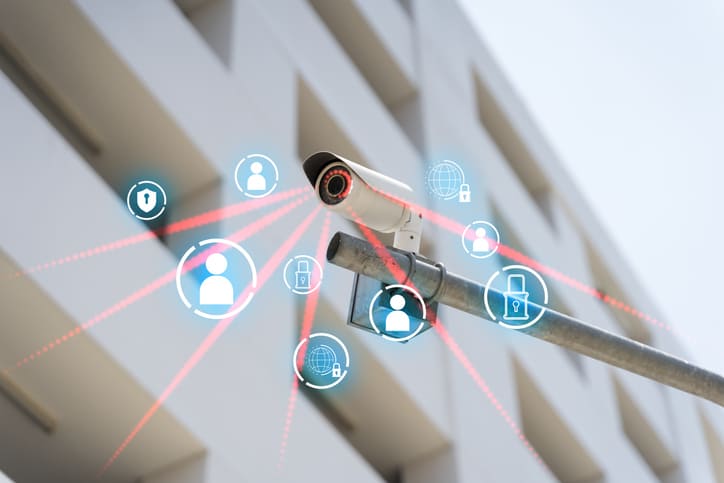
Video surveillance adds visibility to a commercial security strategy. Instead of relying only on an alert that something happened, businesses can use recorded footage to review activity around valuable assets and key access points.
Commercial video surveillance in Pittsburgh can help businesses document incidents, review activity, and remotely observe selected areas when supported by the installed system.
For example, a warehouse manager may want visibility around loading docks and inventory storage. A retail operator may prioritize merchandise areas and entrances, while a property manager may need coverage of shared building access points.
Strategic Camera Placement
Effective surveillance isn’t just about installing more cameras. Camera locations should reflect where visibility matters most. Common considerations include entrances, loading docks, vehicle access points, equipment storage, and restricted spaces.
Lighting, viewing angles, recording quality, and footage retention also affect a system’s usefulness. When compatible systems integrate, video can provide additional context for an alarm or access event. This can help authorized personnel review what occurred rather than relying solely on a notification.
Security Systems of America offers commercial video surveillance solutions that support remote viewing and video management through compatible devices. Businesses should also establish appropriate footage access, privacy practices, and retention policies based on their operational and legal requirements.
Not everyone who enters a commercial building needs access to every area.
Employees, managers, vendors, contractors, and visitors often have different responsibilities. Access control helps businesses manage those differences without relying exclusively on traditional keys.
Electronic access control systems can use credentials such as cards, key fobs, codes, or compatible mobile devices to manage authorized entry. Depending on the system, administrators can assign permissions, limit access to specific doors, and remove credentials when they are no longer needed.
Consider a professional office where employees share common workspaces, but only designated personnel need access to the server room. Access control can help maintain that separation. For a manufacturing facility, it may mean limiting entry to equipment storage or particular production areas.
Managing Access as Business Needs Change
Access permissions shouldn’t remain unchanged indefinitely. When employees change roles, contractors complete assignments, or a business reorganizes its space, review access privileges.
Security Systems of America offers commercial access control systems that can support managing permissions across individual facilities and multiple locations. For Pittsburgh businesses, this makes access management consistent rather than a collection of individual keys and informal arrangements.
Commercial security planning often focuses on unauthorized entry from outside a building. However, operational risks can also develop within normal business activities.
That doesn’t mean employees should be treated as security threats.
Many access-related problems are procedural. A credential may be misplaced, a contractor may retain access after finishing a project, or a door may be left unsecured during a busy workday. Businesses may also encounter theft, unauthorized entry, or improper access to restricted areas.
A balanced security strategy addresses these possibilities through consistent procedures and appropriate technology. For example, access control helps businesses manage who can enter specific spaces. Video surveillance can provide documentation when an incident needs review. Intrusion detection can alert staff to selected unauthorized activity.
Employee training and clear security policies are equally important. Staff should know how to report lost credentials, secure designated areas, and respond to unusual activity without assuming the intent of coworkers or visitors.
Effective business asset protection in Pittsburgh involves both technology and everyday security practices. Neither works as well when the other is ignored.
Commercial properties are not always occupied when security events occur.
Even businesses with extended operating hours may have periods when managers or security personnel are unavailable.
Professional monitoring provides a structured process for receiving and responding to qualifying alarm signals. Depending on the system and monitoring agreement, operators may receive intrusion alerts, follow verification procedures, notify designated contacts, or coordinate with emergency responders when appropriate.
For businesses protecting valuable inventory or specialized equipment, this can be an important part of an after-hours security plan. Security Systems of America provides 24/7 professional alarm monitoring, allowing businesses to establish procedures for handling monitored security events.
Monitoring capabilities can vary by system type, configuration, and service agreement. Businesses should confirm which signals are monitored and how the system handles different events.
It’s also important to keep contact information current and identify who responds when an issue requires business involvement. Professional monitoring doesn’t prevent every incident. It supports a more organized response when an event is monitored.
Managing security becomes more complicated when a business operates several properties. A Pittsburgh company may have administrative offices at one location, inventory storage at another, and a separate manufacturing or distribution facility.
Each location may have different operating hours, access requirements, and valuable assets. Without a coordinated approach, managers may need to use separate systems to review video, update access permissions, or respond to security alerts.
Centralized management can simplify some of these responsibilities. Depending on the installed technology, authorized administrators may be able to review activity, manage credentials, and access security information across multiple locations through compatible platforms.
For example, a company with several warehouses may want consistent access policies while allowing each facility to maintain permissions appropriate to its operations.
Security Systems of America offers scalable commercial solutions, including access control and integrated security options for multi-site facilities. For businesses managing several Pittsburgh-area properties, the goal is consistency without overlooking each building’s unique requirements.
Intrusion detection, video surveillance, access control, and professional monitoring each serve a different purpose. When compatible systems work together, they can provide more useful information and help simplify certain security management tasks.
Consider a restricted equipment room after business hours. An access control system manages authorized entry. A video camera records activity near the entrance. Intrusion detection identifies selected unexpected activity when the protected area is armed.
If an alarm occurs, available video and access records may help authorized personnel better understand the situation. Integration may also allow certain events to be reviewed from a common management platform, depending on the systems involved.
Environmental awareness can add another consideration. In facilities where temperature changes, moisture, or water leaks could threaten equipment or inventory, appropriate sensors may help identify conditions requiring attention.
These systems should be selected based on actual facility needs and should not be considered substitutes for required life safety equipment or specialized regulatory monitoring.
The value of integration isn’t simply having more connected devices. It’s making relevant security information easier to manage and helping different layers of protection support the same operational goals.
No two commercial properties have identical security needs. A retail store may prioritize protecting merchandise, controlling employee access, and ensuring visibility at entrances. A manufacturing facility may need additional protection around specialized equipment and production areas.
A medical office may focus on restricted rooms and sensitive records, while a warehouse may need coordinated coverage across loading docks, storage areas, and several entrances.
The best starting point is reviewing how the business operates, which assets require protection, and where existing security measures may fall short. Security Systems of America works with Pittsburgh businesses to design commercial security solutions around their facilities, operational requirements, and budgets.
That may involve combining intrusion detection, video surveillance, access control, and professional monitoring or evaluating how compatible existing systems can work together.
Businesses should also plan for future changes, including more employees, new equipment, expanded inventory, and additional locations.
A system designed around real operational needs is easier to evaluate and maintain than one selected solely by the number of devices installed.
Protecting high-value assets requires more than knowing whether a door has been opened. It means understanding who needs access, where better visibility is useful, how important spaces are monitored, and what should happen when a security event occurs.
If your Pittsburgh business depends on valuable equipment, inventory, technology, or restricted areas, Security Systems of America can design a layered security strategy around the assets that matter most. Contact Security Systems of America today for a commercial security assessment and discuss practical solutions to protect your facility, support daily operations, and manage security across your business.