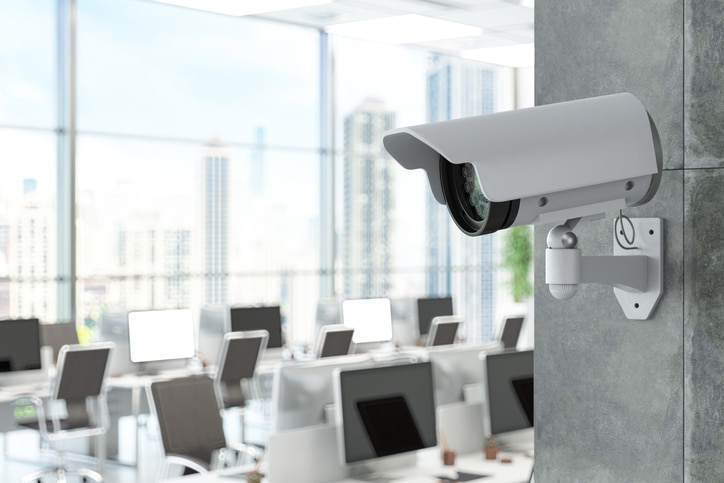
Security cameras are common in commercial buildings, retail stores, warehouses, parking areas, and office properties across Pittsburgh. Many business owners invest in cameras to improve visibility, strengthen accountability, and maintain a clearer record of what happens on their property.
But having cameras in place does not always mean a business has effective surveillance.
A video surveillance system can fail in several ways. Cameras may miss the area where an incident happens. Nighttime footage may be too dark or unclear to identify a person or vehicle. Video may be overwritten before anyone realizes it is needed. In some cases, the system was installed without a real plan, leaving coverage gaps that only become obvious after something goes wrong.
For Pittsburgh businesses, this can create real challenges. Older commercial buildings, mixed-use properties, parking facilities, warehouses, and multi-tenant office spaces often have layouts that complicate surveillance. That is why commercial camera system design matters. Effective surveillance starts with understanding the property, its risks, daily operations, and the type of footage a business may need later.
It is easy to assume that adding more cameras will solve a surveillance problem. In reality, more cameras do not always create better coverage.
A business can have cameras throughout a property and still miss important activity if those cameras are not placed correctly. A camera may cover a general area but fail to capture faces, license plates, transaction points, delivery activity, or key entryways.
Another camera may be mounted too high, angled poorly, or blocked by shelving, vehicles, doors, signage, or seasonal changes around the building, creating a false sense of security. The system appears complete because cameras are visible, but the footage may not answer the questions that matter during an investigation.
A strong surveillance plan starts with strategy, not camera count. The goal is to understand what the business needs to see, where incidents or disputes are most likely to occur, and how footage may be used later. For businesses comparing or upgrading commercial surveillance systems, this planning step is what separates basic camera coverage from a system that supports security, operations, and liability protection.
Surveillance camera blind spots are one of the most common reasons video systems fail in Pittsburgh businesses. A blind spot is any area where important activity can happen without being clearly captured on video.
Some blind spots are obvious after a walkthrough. Others are harder to notice until footage is needed. A camera may show part of a hallway but not the stairwell door. A parking lot camera may cover parked vehicles but miss the entrance and exit path. A camera near a loading dock may show the dock itself, but not the approach area where vehicles or people arrive.
Common commercial blind spots include loading docks, side entrances, parking lots, garages, stairwells, and rear exits. These areas often matter because deliveries, employee movement, tenant access, vendor activity, and customer traffic can overlap.
For Pittsburgh properties, this issue can be especially common in older commercial buildings and mixed-use spaces. Buildings may have multiple entrances, narrow side corridors, shared access points, basement or rear service doors, and parking arrangements that were not originally designed with modern surveillance in mind.
Proper planning helps identify these gaps before they become a problem. A surveillance assessment can review current camera views, traffic patterns, access points, and areas where employees, customers, tenants, or vendors move throughout the day. From there, the system can be adjusted so cameras are placed for useful coverage, not just general visibility.
Lighting is one of the most important parts of video surveillance, but it is often treated as an afterthought. A camera may perform well during the day but produce poor footage at night or in unevenly lit areas, which can be a major issue for businesses that operate after dark or need to monitor exterior areas. Parking lots, loading zones, rear exits, walkways, and outdoor storage areas may all have different lighting conditions. Some areas may be too dark. Others may have glare from vehicle headlights, exterior fixtures, streetlights, or reflective surfaces.
Poor lighting can make a person’s face hard to identify, cause vehicles to appear without useful detail, hide movement in shadows, or wash out the image with glare. A camera may technically record the incident, but fail to provide footage that helps a business understand what happened.
This is why camera technology and lighting design need to work together. The solution is not always replacing every camera. Sometimes the issue is the camera angle. Sometimes it is the lighting layout. Sometimes both need to be evaluated together.
For Pittsburgh businesses, exterior lighting can be especially important in parking facilities, industrial properties, warehouses, and buildings with alley access. These spaces may have changing visibility conditions, especially during winter months when it gets dark earlier, and the weather can affect the camera view.
Even when cameras are positioned correctly and image quality is strong, a surveillance system can still fail if footage is not retained long enough.
Security camera retention policies determine how long recorded video remains available before it is overwritten. If retention is too short, footage may disappear before a business knows it is needed.
This is a common issue because not every incident is discovered right away. A customer complaint may come in several days after a visit. An employee investigation may begin after a pattern is noticed. A property damage issue may not be reported until a tenant, vendor, or manager reviews the area. A liability claim may involve questions about what happened days or weeks earlier.
Retention needs vary by business. A small office may have different needs than a warehouse, retail store, parking facility, or multi-tenant property. Storage planning should align with how the business actually operates, including the number of cameras, motion activity, quality settings, required retention period, and how often footage may need to be reviewed or exported.
A commercial security assessment can help evaluate whether current retention settings support the business’s needs. It can also identify whether storage should be expanded, recording settings should be adjusted, or policies should be updated.
Commercial surveillance is not just about installing cameras. It is about designing a system that supports the way a business manages risk, operations, safety, and accountability.
Professional surveillance design begins with a risk assessment that reviews the property layout, access points, lighting conditions, business hours, employee and customer movement, delivery and parking areas, and past concerns. The goal is to understand what needs to be captured and why.
From there, camera placement can be planned strategically. A well-designed system considers the field of view, mounting height, angle, lighting, blind spots, and the level of detail needed in each area. A camera used to monitor general movement may not need the same placement as one intended to identify a person at an entrance or document activity at a loading dock.
Coverage verification is also important. After cameras are installed or adjusted, the system should be reviewed to confirm that the intended areas are actually visible. This step can help catch problems such as blocked views, poor angles, lighting issues, or missed transitions between spaces.
Businesses also change. A warehouse may add new storage areas. A retail store may adjust its layout. An office building may add tenants or change access control procedures. A camera system should be designed with enough flexibility to support future needs where possible.
This is where Security Systems of America helps Pittsburgh businesses move beyond basic camera installation. SSA provides commercial video surveillance systems, security camera system design, remote video access, integrated security solutions, and commercial security assessments for Pittsburgh businesses. The focus is not just on adding equipment. It is on helping businesses understand whether their current system provides the visibility, footage quality, and retention they need.
is often associated with crime deterrence, but its value goes beyond that. For many Pittsburgh businesses, cameras also support operations, customer service, workplace accountability, and liability protection.
A property manager may use footage to review access concerns in a shared building. A warehouse manager may use cameras to understand delivery activity or investigate damaged goods. A retail operator may review footage connected to customer complaints or transaction questions. An office building manager may need visibility into entrances, parking areas, or common spaces.
In each case, the value of the system depends on whether the footage is clear, available, and focused on the right areas. A poorly designed system can record video without answering key questions. A properly designed system gives business owners and managers a more reliable way to understand what happened, when it happened, and where improvements may be needed.
Pittsburgh’s commercial properties are not all the same. A business in an older building may face different challenges than a warehouse in an industrial area or a retail tenant in a mixed-use property. Parking layouts, shared entrances, narrow corridors, exterior stairwells, delivery areas, and multi-tenant access points can all affect camera placement.
An older commercial building may have several entrances used at different times of day. A parking facility may need careful attention to lighting and vehicle movement. A warehouse may need coverage across loading docks, inventory areas, employee entrances, and exterior storage. A multi-tenant office building may need visibility in shared spaces while still respecting tenant operations.
The right design process helps account for these details before cameras are installed or upgraded.
Business owners and property managers do not need to wait for a major incident to evaluate their camera system. In many cases, the warning signs are already there.
It may be time to request a commercial surveillance assessment if your cameras miss important activity, nighttime footage is unclear, you cannot identify people or vehicles when reviewing video, footage is overwritten too quickly, or your system was installed without a clear design plan.
An assessment can help identify coverage gaps, improve footage quality, evaluate retention policies, and determine whether the current system meets the business’s needs.
For companies looking for commercial surveillance in Pittsburgh, SSA can review existing video surveillance systems, recommend practical improvements, and help design a system that supports security, operations, and liability protection.
Cameras alone do not guarantee effective surveillance. Placement, lighting, retention, storage, access, and system design all affect whether footage is useful when a business needs it.
Security Systems of America works with Pittsburgh businesses to design and assess commercial video surveillance systems tailored to real property layouts and business needs.
To identify coverage gaps, improve footage quality, and evaluate your retention policies, request a commercial surveillance assessment from SSA. You can also speak with a Pittsburgh video surveillance specialist to discuss whether your current system is helping your business or leaving important questions unanswered.