Nonprofit organizations are often focused on serving others first. Whether the mission involves food assistance, youth programs, community outreach, education, faith-based work, housing support, or charitable services, security may not always be the first budget priority.
Still, nonprofit facilities need protection. Staff, volunteers, visitors, donors, records, supplies, and donated items all depend on a safe and organized environment. For many organizations, the challenge is improving security without stretching limited operating funds.
The good news is that nonprofit security systems for nonprofits in Johnstown, PA, do not have to be designed all at once. A thoughtful plan can begin with the most urgent needs, then expand over time. With the right approach, nonprofits can make practical upgrades, improve accountability, and protect their facilities while staying mindful of budget realities.
Nonprofits operate differently from many businesses. They often serve a broad range of people, rely on volunteers, and keep their doors open to the community. That accessibility is part of the mission, but it can also create security challenges.
Many nonprofits have limited staffing. A small team may be responsible for administration, programming, donor communication, facility management, and volunteer coordination. There may not be a dedicated person watching entrances, checking doors, or reviewing building access throughout the day.
Volunteer turnover can also complicate access management. Volunteers may come and go based on school schedules, work changes, family obligations, or seasonal programs. If a nonprofit relies heavily on physical keys, it can become hard to track who has access to the building.
Community accessibility is another factor. Food banks, youth organizations, churches operating nonprofit programs, and community service groups often want people to feel comfortable entering the facility. Security planning needs to support that openness rather than create unnecessary barriers.
Budget constraints also affect decision-making. Nonprofit leaders and board members may know that security improvements are needed, but hesitate, assuming the upgrades require a large upfront investment. In many cases, a phased plan can help the organization address immediate concerns while planning for future improvements.
Security upgrades can feel like an expense that can wait, especially when funds are being directed toward programs and services. However, delaying basic improvements can sometimes create costs that are harder to manage later.
Theft can affect operations, even when the items taken are not high-value in a commercial sense. Donated goods, food supplies, office equipment, tools, computers, records, and program materials may all be important to the delivery of daily services. If those items are lost or damaged, staff may need to spend time replacing them, filing reports, adjusting program schedules, or explaining the disruption to donors and community partners.
Vandalism and property damage can also create unexpected expenses. A broken door, damaged window, or tampered lock may require repairs that were not budgeted for. Even a minor incident can interrupt normal operations if staff need to close part of the facility or delay services.
After-hours incidents can be especially difficult because no one may be present to respond. Without a monitored alarm system, a problem may not be discovered until the next business day. By then, damage may be more extensive, or important details may be harder to confirm.
This does not mean nonprofit leaders should make decisions out of fear. It means prevention should be part of responsible facility planning. A modest security improvement made at the right time can help reduce avoidable disruptions and support the organization’s ability to keep serving the community.
For a broader look at prevention planning, learn how to protect organizations from common security risks.
Affordable commercial security systems do not need to include every available feature from the beginning. For many nonprofits, the best starting point is to focus on the areas that create the most immediate value.
A monitored intrusion alarm is often a practical first step when choosing nonprofit security solutions. It helps protect the building when staff and volunteers are not present. If the system detects an unauthorized entry, it will send a signal to a professional monitoring center, initiating the appropriate response process, which can be especially helpful for organizations with evening programs, weekend closures, or irregular schedules.
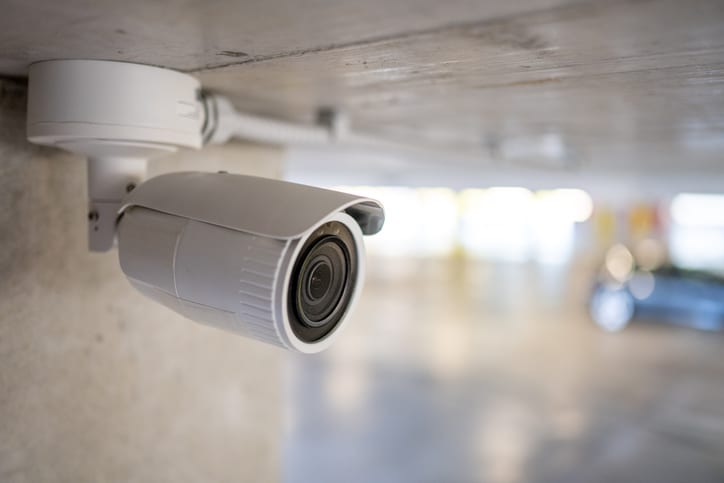
Strategic camera placement can also provide value without requiring cameras in every room. Video surveillance for nonprofits may focus on entrances, parking areas, donation drop-off points, storage areas, and public-facing service areas. The goal is to improve visibility where it matters most.
Entry point protection is another important upgrade. Doors, windows, and other access points should be reviewed to determine where alarms, sensors, cameras, or access controls may be useful. In older Johnstown buildings, this step can be especially important because entrances may have been added or changed over time.
Mobile security management can also help small teams. When authorized staff can view system alerts, check camera feeds, or manage certain security functions remotely, they may not need to be on-site for every situation, which can be useful for executive directors, facility managers, or board-approved personnel who support operations outside normal business hours.
The most important point is that these upgrades should be chosen based on the nonprofit’s actual risks, building layout, staffing model, and schedule. A smaller organization may not need the same system as a larger multi-site nonprofit. A good plan should fit the organization, not force the organization into a one-size-fits-all package.
When funding is limited, prioritization matters. Nonprofit leaders should begin with the most immediate needs, then build a plan that can expand as resources become available.
A phased approach can make security planning more manageable.
The first phase often focuses on monitored alarm protection, which provides coverage when the facility is empty and helps address one of the most common concerns for nonprofits: after-hours security.
A commercial alarm system in Johnstown can be designed around key entry points, motion detection, and areas where important assets are stored. Professional monitoring adds another layer by helping ensure alarm signals are not simply left unnoticed.
For nonprofits that have never had a security system, this phase can create a strong foundation. It protects the building during closed hours and gives leadership a clearer process for responding to alarm events.
Once the basic alarm system is in place, the next phase may involve surveillance cameras. Cameras can help monitor entrances, exterior spaces, donation areas, hallways, and other important locations.
For a nonprofit with limited funds, camera placement should be strategic. It is often better to cover a few high-priority areas well than to place cameras randomly throughout the building. A security professional can help identify where cameras will provide the most useful coverage.
Surveillance can also support accountability among staff and volunteers. If there is confusion about a delivery, a damaged door, an after-hours visit, or an activity near a storage area, recorded video may help clarify what happened.
Access control may be the next logical step for nonprofits that have multiple staff members, volunteers, storage rooms, offices, or restricted areas. Instead of relying solely on keys, access control enables the organization to manage entry via credentials, cards, fobs, or codes, which can be especially useful when volunteer roles change. If someone no longer needs access, their credential can be removed without changing locks. If a temporary volunteer or event partner needs access only for a specific period, permissions can be set accordingly.
Access control can also help protect offices, donor records, staff-only areas, supply rooms, and program spaces for children or vulnerable groups. It allows a nonprofit to remain accessible to the community while still limiting entry where appropriate.
A nonprofit security plan should not only solve today’s concerns. It should also allow room for future growth.
Scalable security system design helps organizations avoid starting over every time needs change. A nonprofit may begin with alarm monitoring, then add cameras later. It may start with access control on one door, then expand to additional doors as the budget allows. It may begin with one building, then add another location if the organization grows.
This kind of planning is especially important for organizations that manage changing programs, seasonal volunteer needs, or multi-purpose facilities. A church-based nonprofit, for example, may share space with worship services, children’s programs, community meetings, and outreach work. A youth organization may need different access levels for staff, coaches, mentors, and volunteers. A food bank may need to secure storage for donations while keeping public service areas accessible.
Planning also helps nonprofit leaders and board members make informed decisions. Instead of viewing security as a single large purchase, they can view it as a series of practical improvements. Each phase can be evaluated based on current needs, available funding, and future priorities.
Learning more about the long-term value of commercial security investments may be useful for nonprofit boards weighing current costs against operational continuity and risk reduction.
Johnstown has many community-focused organizations operating in different types of facilities. Some nonprofits work out of historic buildings. Others use shared spaces, church facilities, storefronts, offices, warehouses, or multi-purpose community centers. Many rely heavily on volunteers and operate with limited administrative support.
These realities should shape the security plan. A nonprofit does not need a system that feels excessive or out of step with its mission. It needs practical tools that protect people, support daily operations, and streamline facility management.
Security Systems of America works with nonprofits and community organizations to design security systems that can grow over time. SSA’s services include commercial alarm systems, video surveillance, access control, 24/7 monitoring, and scalable security system design.
The goal is to create a plan that fits the organization’s current budget while leaving room for future improvements. That may mean starting with monitored alarms, adding cameras later, and introducing access control when volunteer or staff access becomes harder to manage.
If your organization is trying to improve security without exceeding its budget, SSA can help you review your facility, identify priorities, and build a phased plan.
Request a Nonprofit Security Assessment to receive budget-conscious, scalable recommendations for your Johnstown facility. The consultation is non-obligatory and focused on practical next steps.
You can also speak with one of our Johnstown security specialists about commercial alarm systems, video surveillance for nonprofits, access control, 24/7 monitoring, or a phased security plan for future growth. Contact us today to learn more!